
CNC Machining Materials Guide
KQ Precision CNC supports a wide range of metals and engineering plastics for precision CNC machining, sheet metal fabrication, and custom industrial components.
Material Categories
Choose from common engineering metals and plastics based on strength, weight, corrosion resistance, machinability, surface treatment, and application requirements.
Aluminum
Lightweight, corrosion resistant, and widely used for CNC machined structural, mechanical, and precision components.
Stainless Steel
Excellent corrosion resistance for medical, food equipment, automation, marine, and industrial applications.
Steel
Strong and cost-effective materials for mechanical components, fixtures, shafts, machine parts, and industrial structures.
Titanium
High strength-to-weight ratio with excellent corrosion resistance for demanding precision and lightweight applications.
Brass & Copper
Good machinability, conductivity, and corrosion performance for precision mechanical, electrical, and fluid-control components.
Tool Steel
Wear-resistant materials for tooling, fixtures, molds, dies, and high-performance mechanical components.
Engineering Plastics
POM, PEEK, PTFE, nylon, PC and other plastics for lightweight, low-friction, insulating, and functional components.
Special Materials
Material sourcing and manufacturing evaluation can be supported according to drawing, performance, and project requirements.
Featured Materials
Common materials used in precision CNC machining and custom manufacturing projects.
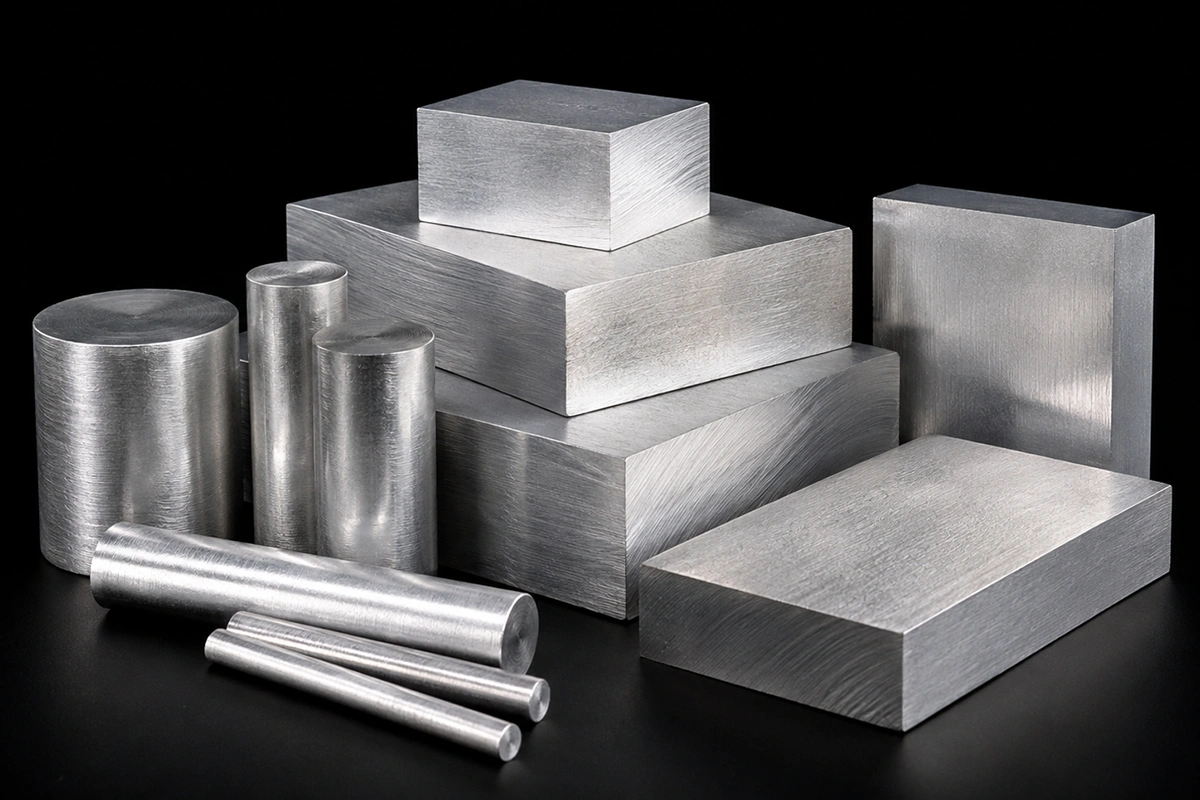
Aluminum Alloys
6061, 6063, 7075 and other aluminum alloys for lightweight, corrosion-resistant and precision machined components.
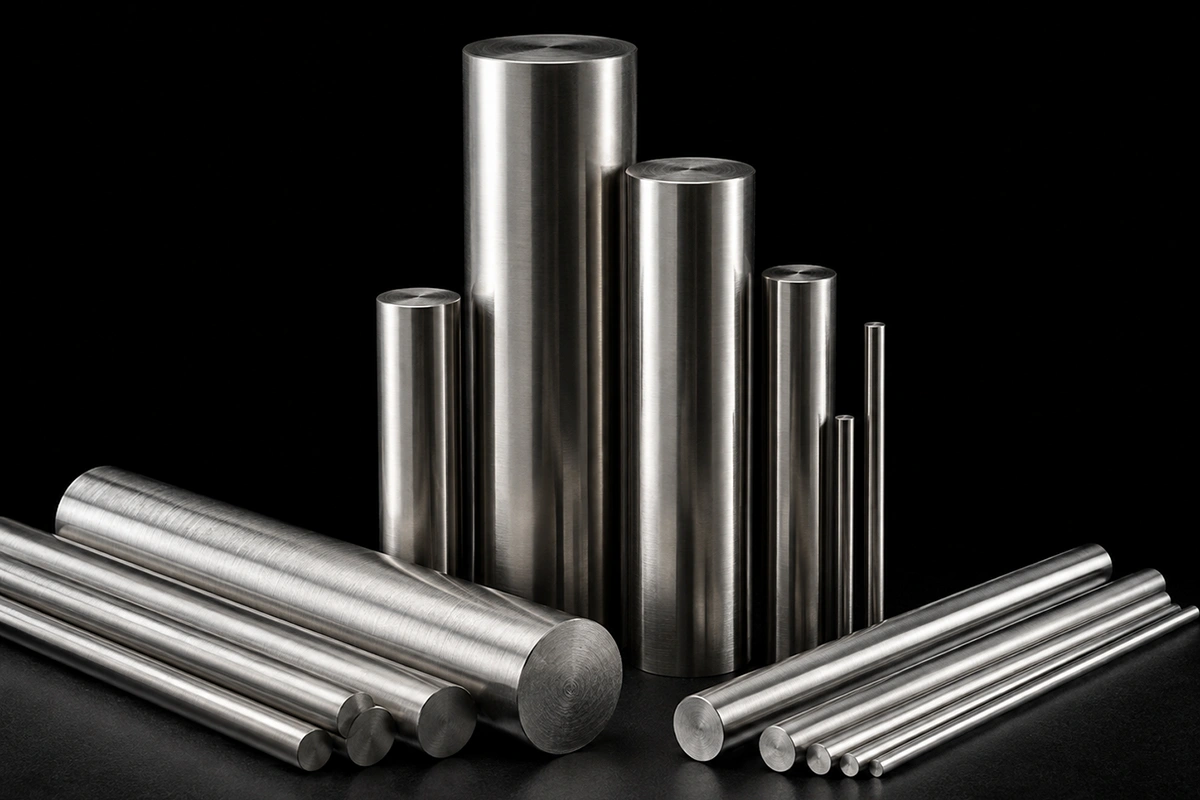
Stainless Steel
303, 304, 316, 316L and 17-4PH grades for corrosion-resistant precision parts and industrial applications.
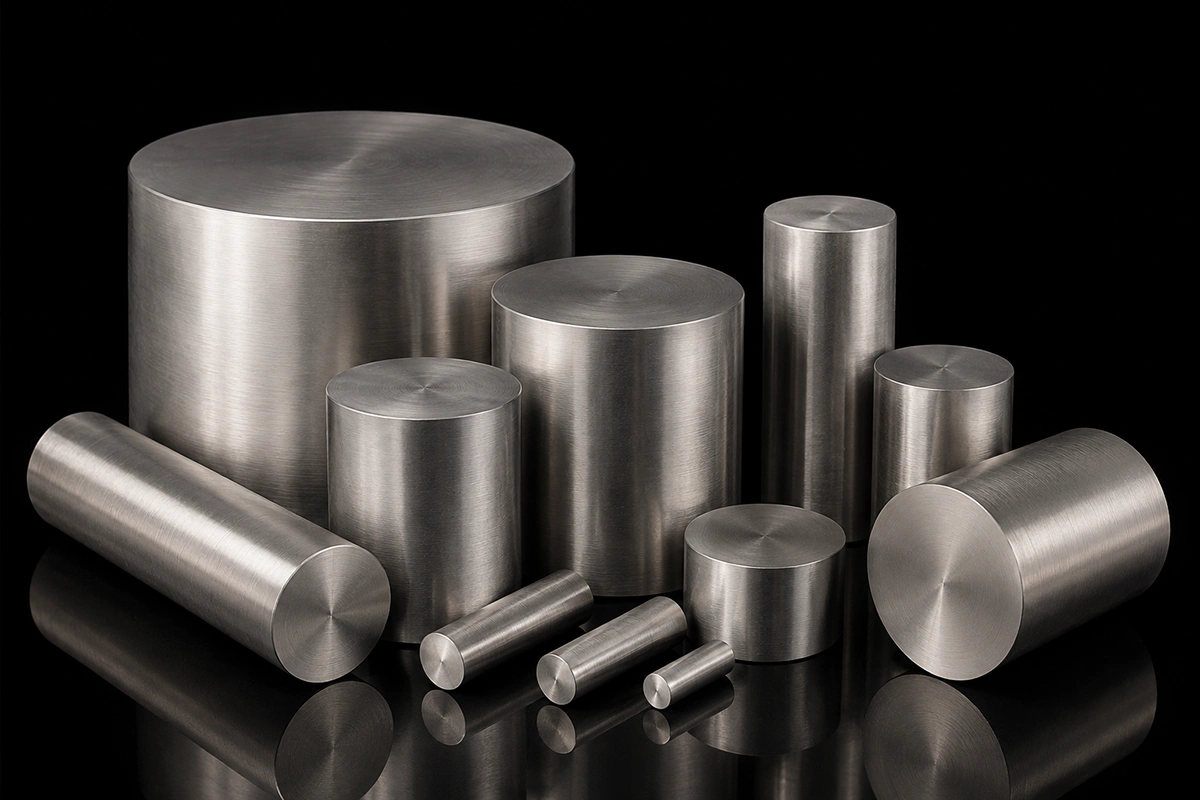
Titanium Alloys
Grade 2 and Grade 5 / Ti-6Al-4V titanium for lightweight, high-strength and corrosion-resistant precision components.
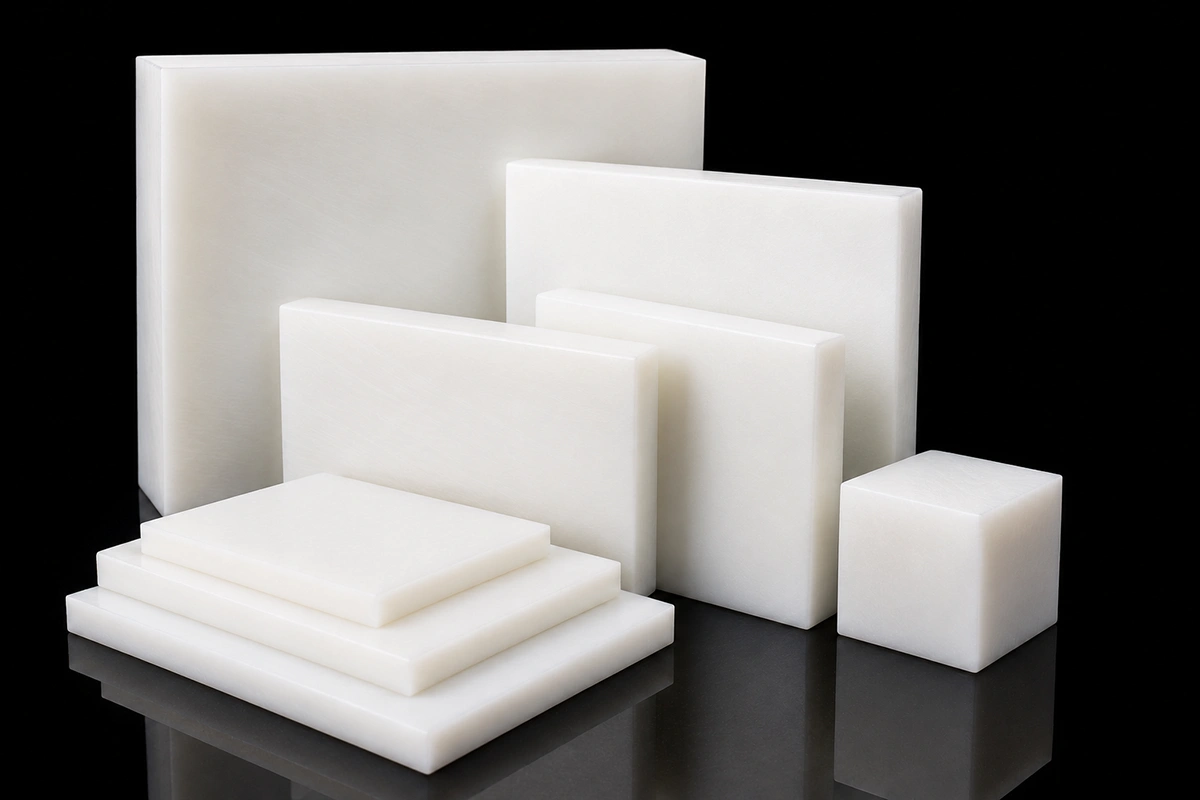
Engineering Plastics
POM, PEEK, PTFE, nylon, PC and ABS for lightweight, insulating, low-friction and functional machined parts.
Material Selection Considerations
Material selection affects machining strategy, tolerance capability, finishing options, component performance, lead time and cost.
Machinability
Different materials require different cutting tools, speeds, feeds, cooling methods and machining strategies to maintain dimensional stability and surface quality.
Surface Finish
Material composition and condition affect anodizing, polishing, plating, passivation, powder coating and other finishing results.
Application Requirements
Strength, weight, corrosion resistance, temperature, wear conditions and operating environment should be considered before selecting a material.
Material Knowledge Guides
Practical material comparisons and machining references for engineers, product developers and purchasing teams.
Need Help Selecting the Right Material?
Send your drawings and project requirements. Our engineering team can recommend suitable materials and manufacturing processes based on part geometry, tolerance, performance and production volume.